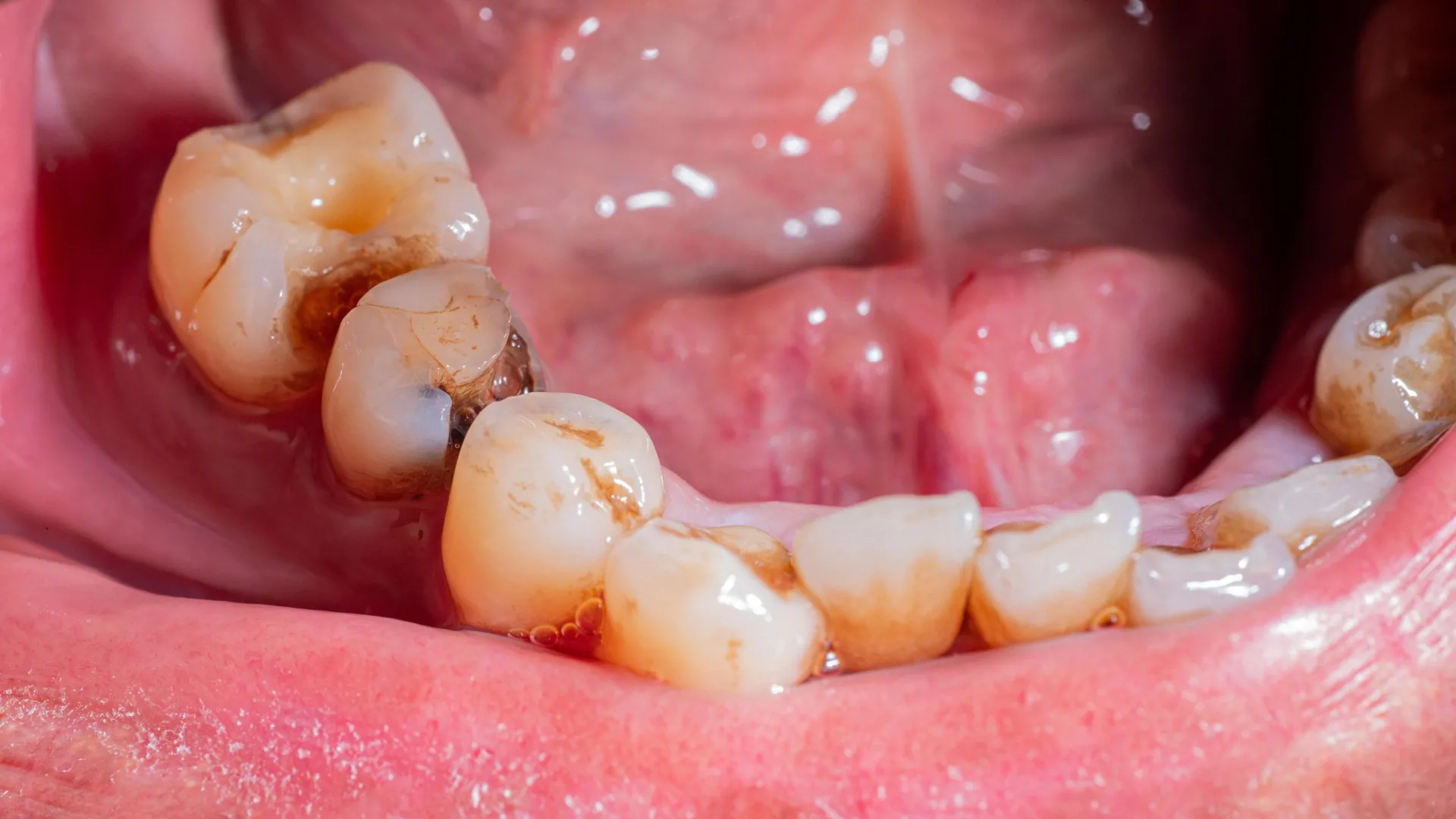
Tooth decay costs reach £18,000 per person in UK's most deprived groups
Study quantifies the cost case for targeting caries prevention at deprived patients, with UK savings estimated at £14,000 per person.
A simulation study published in BMC Public Health finds that the economic burden of dental caries falls disproportionately on the most deprived populations, with per-person lifetime costs reaching approximately £18,000 ($22,910) in the UK, the highest figure across the six countries studied. The research, commissioned by the European Federation of Periodontology and led by professors from the University of Birmingham, modelled caries-related healthcare costs from adolescence to middle age in the UK, Brazil, France, Germany, Indonesia, and Italy, using national data on decayed, missing, and filled teeth alongside assumptions about intervention rates by socioeconomic group. People in the most deprived groups start with more caries, accumulate more over time, and face higher cumulative treatment costs as a result. The study modelled a range of preventive interventions, from community water fluoridation and sugar-sweetened beverage taxes to school education programmes and individual fluoride use. Applied uniformly across the population, these measures are estimated to reduce caries progression rates by 30%. A targeted approach concentrating resources on the most deprived group could reduce per-person costs by approximately £14,000 ($17,728) in the UK alone. The authors argue that prevention-focused public health strategies, aligned with the WHO's resolution on oral health, offer a more cost-effective path than continued reliance on restorative treatment.