Root Canal Treatment Linked to Lower Blood Sugar and Inflammation
Study of 65 patients shows root canal treatment correlates with lower blood glucose and inflammation over two years: relevant for managing medically complex patients.
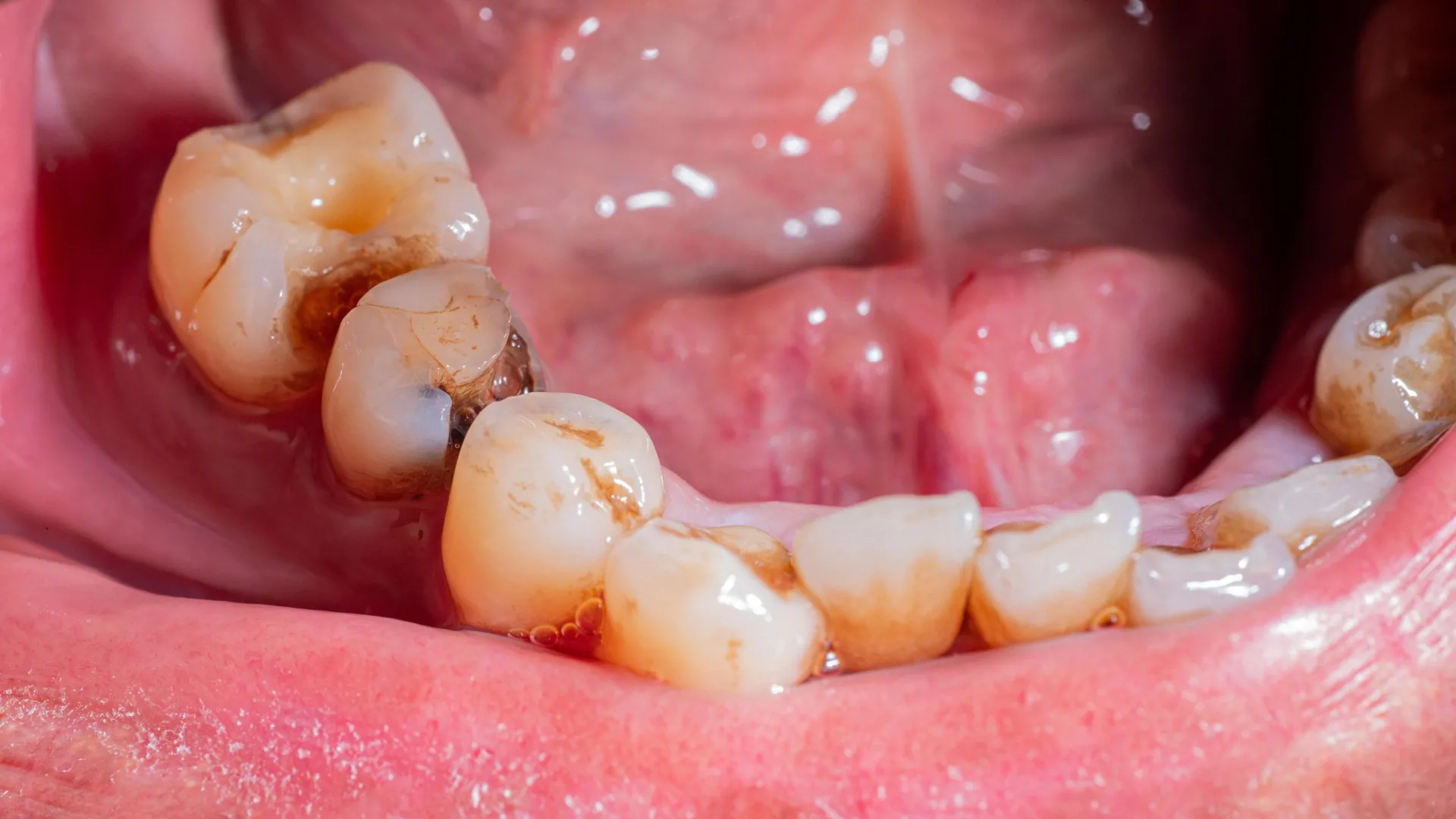
A clinical study from King's College London finds that successful root canal treatment may improve blood sugar control, cholesterol levels, and systemic inflammation in patients with apical periodontitis. The research is published in the Journal of Translational Medicine and was funded by the Royal College of Surgeons England. Apical periodontitis allows bacteria from the infected tooth to enter the bloodstream, triggering inflammation that has been associated with higher risks of cardiovascular disease and diabetes. Treating the infection appears to reduce some of these effects. The study followed 65 patients treated at Guy's and St Thomas' NHS Foundation Trust over two years after root canal procedures. Using nuclear magnetic resonance spectroscopy to analyze blood samples, researchers tracked changes in glucose metabolism, lipid profiles, and inflammatory markers. Blood sugar dropped over the two-year follow-up period, cholesterol and fatty acid levels improved in the short term, and key inflammatory markers declined gradually. The team identified glucose, triglycerides, and the protein tryptophan as potential markers for monitoring patient recovery after dental treatment. Lead author Dr. Sadia Niazi noted that larger studies are needed to confirm the findings, but the results point toward a role for integrated care in which dentists and general practitioners jointly monitor metabolic risk through blood markers.