Sugarcane protein CANECPI-5 forms enamel shield in artificial saliva
No existing product addresses post-radiotherapy xerostomia and caries; this patented protein formula may change that.
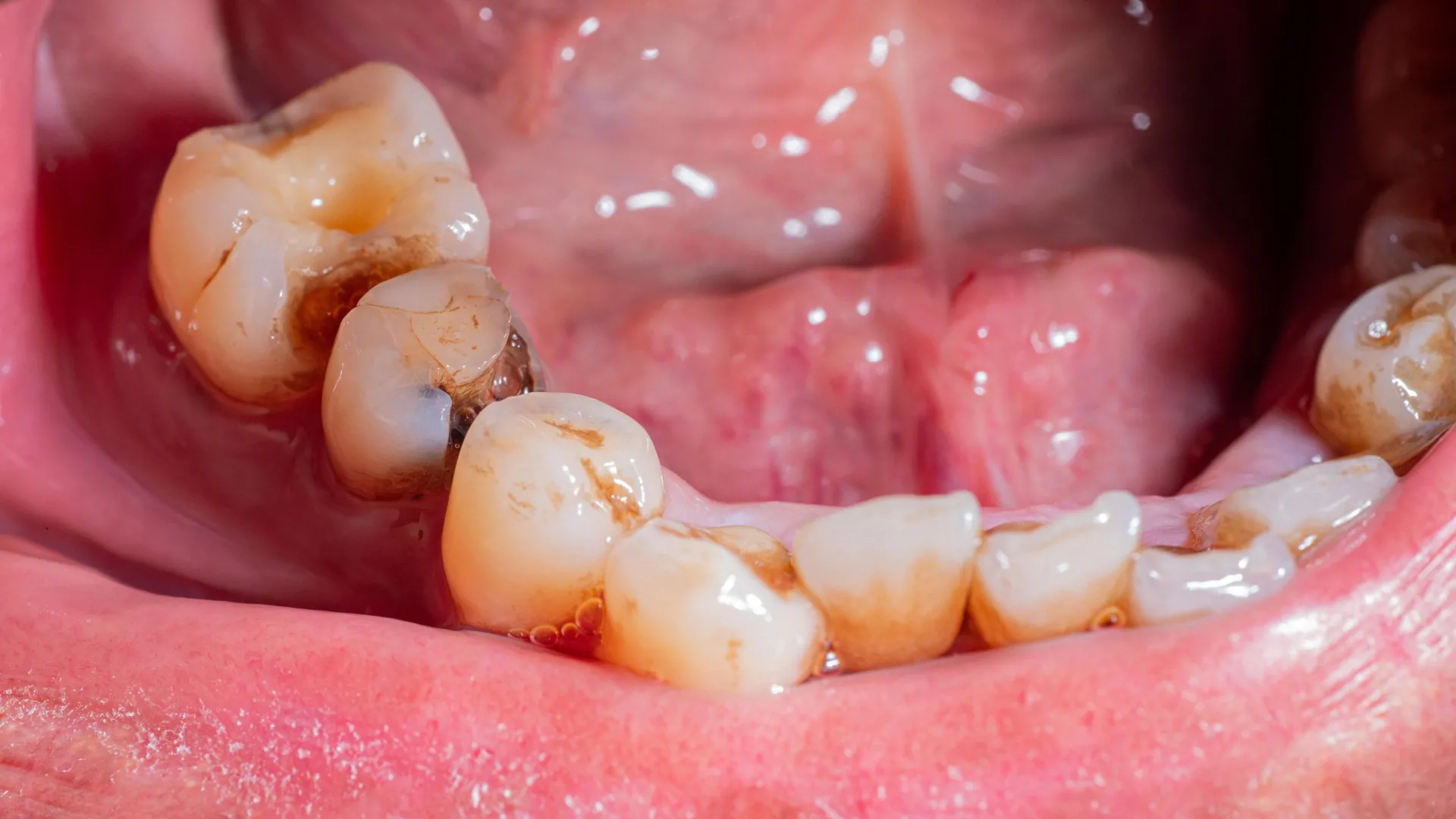
Researchers at the Bauru School of Dentistry at the University of São Paulo have developed an artificial saliva using a lab-modified sugarcane protein called CANECPI-5, which binds directly to tooth enamel and forms a protective layer against acid. The findings were published in the Journal of Dentistry (2025, volume 163).
Patients who receive radiotherapy for head and neck cancer frequently lose salivary gland function, leaving them without the natural proteins that shield enamel and regulate oral bacteria. No dedicated product currently exists to address the severe cavities that result from this loss.
In laboratory tests, a mouthwash containing CANECPI-5 was applied to animal tooth samples once daily for one minute. The protein reduced bacterial activity and slowed demineralization, the process by which teeth lose calcium and phosphate. Results improved further when CANECPI-5 was combined with fluoride and xylitol. The team has also tested the protein in gel and orodispersible film formats, with consistent results across all three. CANECPI-5 has been patented, and the next step is scaling production through industry partnerships. Researchers are also investigating whether combining the protein with a statherin-derived peptide could protect against stomach acid erosion, and whether vitamin E could act as a carrier to allow home use by patients.