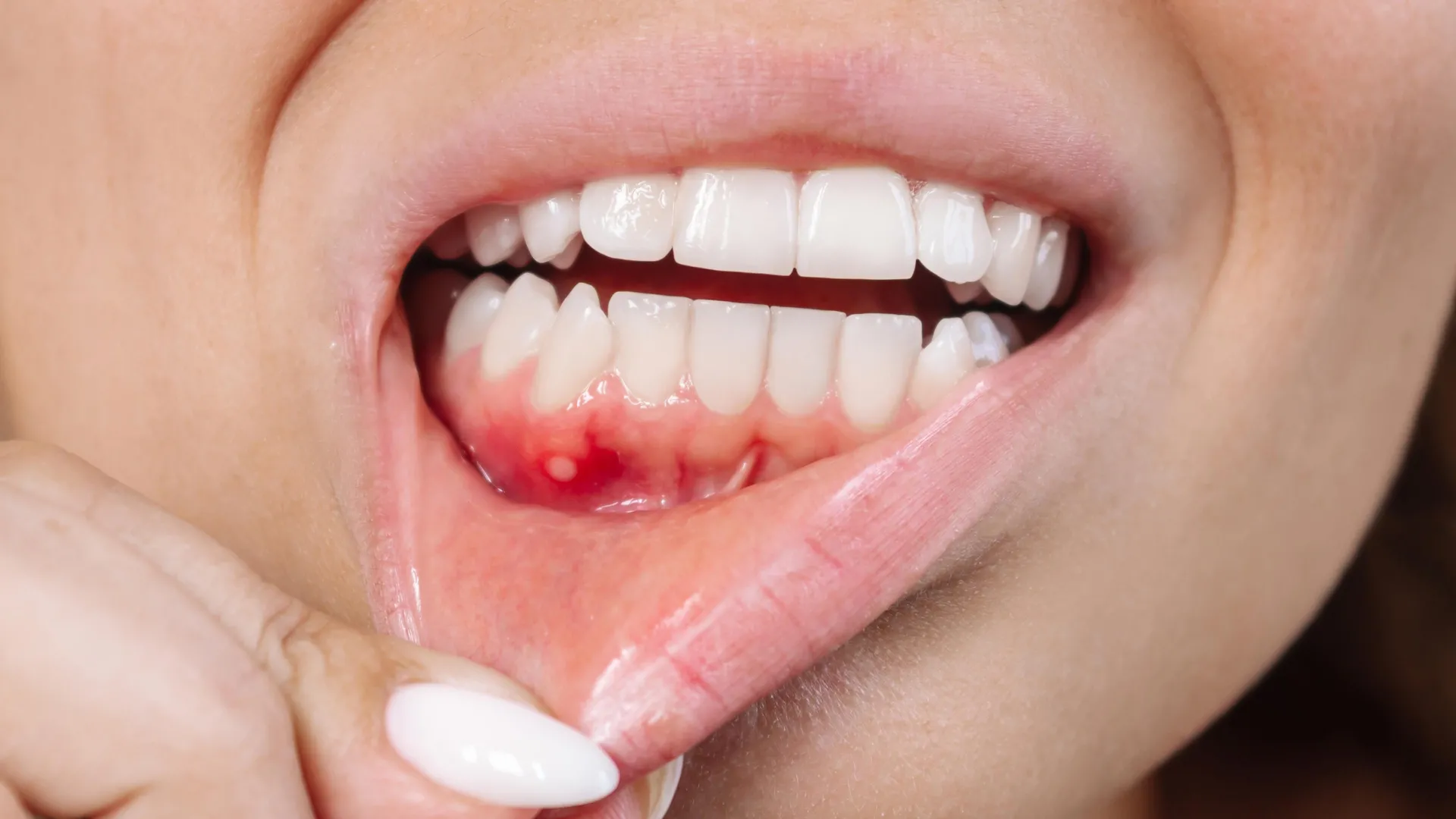
Disrupting bacterial signals shifts dental plaque toward healthier microbiome
Early evidence that enzyme-based disruption of quorum sensing can shift subgingival plaque composition away from periodontal pathogens.

Researchers at the University of Minnesota, Twin Cities have found that interfering with chemical communication between oral bacteria can shift dental plaque toward communities associated with better oral health, without killing bacteria outright. The findings were published in npj Biofilms and Microbiomes in 2025. Antibiotic resistance and the known benefits of commensal bacteria have pushed researchers to look for ways to modify bacterial behaviour rather than eliminate it. The study focused on N-acyl homoserine lactones (AHLs), signaling molecules that roughly 700 bacterial species in the mouth use to coordinate group behaviour through a process called quorum sensing. When the team blocked AHL signals using enzymes called lactonases, health-associated bacterial species increased. Crucially, the effect depended on oxygen availability: blocking AHL signaling in aerobic conditions (above the gumline) promoted health-associated bacteria, while adding AHLs under anaerobic conditions (below the gumline) encouraged disease-linked late colonizers such as Porphyromonas gingivalis. The research was led by Mikael Elias, associate professor at the College of Biological Sciences and senior author of the study, with Rakesh Sikdar as lead author. Next steps include mapping how bacterial signaling differs across mouth regions and across patients at different stages of periodontal disease. Funding came from the National Institutes of Health.