Arginine Reduces Acidity and Reshapes Biofilm in Clinical Caries Trial
First in-mouth clinical evidence that arginine reduces biofilm acidity and shifts caries-associated bacteria, supporting its use in preventive products.
A clinical study from Aarhus University found that arginine, an amino acid naturally present in saliva, reduces acidity in dental biofilms and shifts their microbial composition toward less harmful bacteria. The findings were published in the International Journal of Oral Science and stem from research led by Post.doc. Yumi C. Del Rey and Professor Sebastian Schlafer.
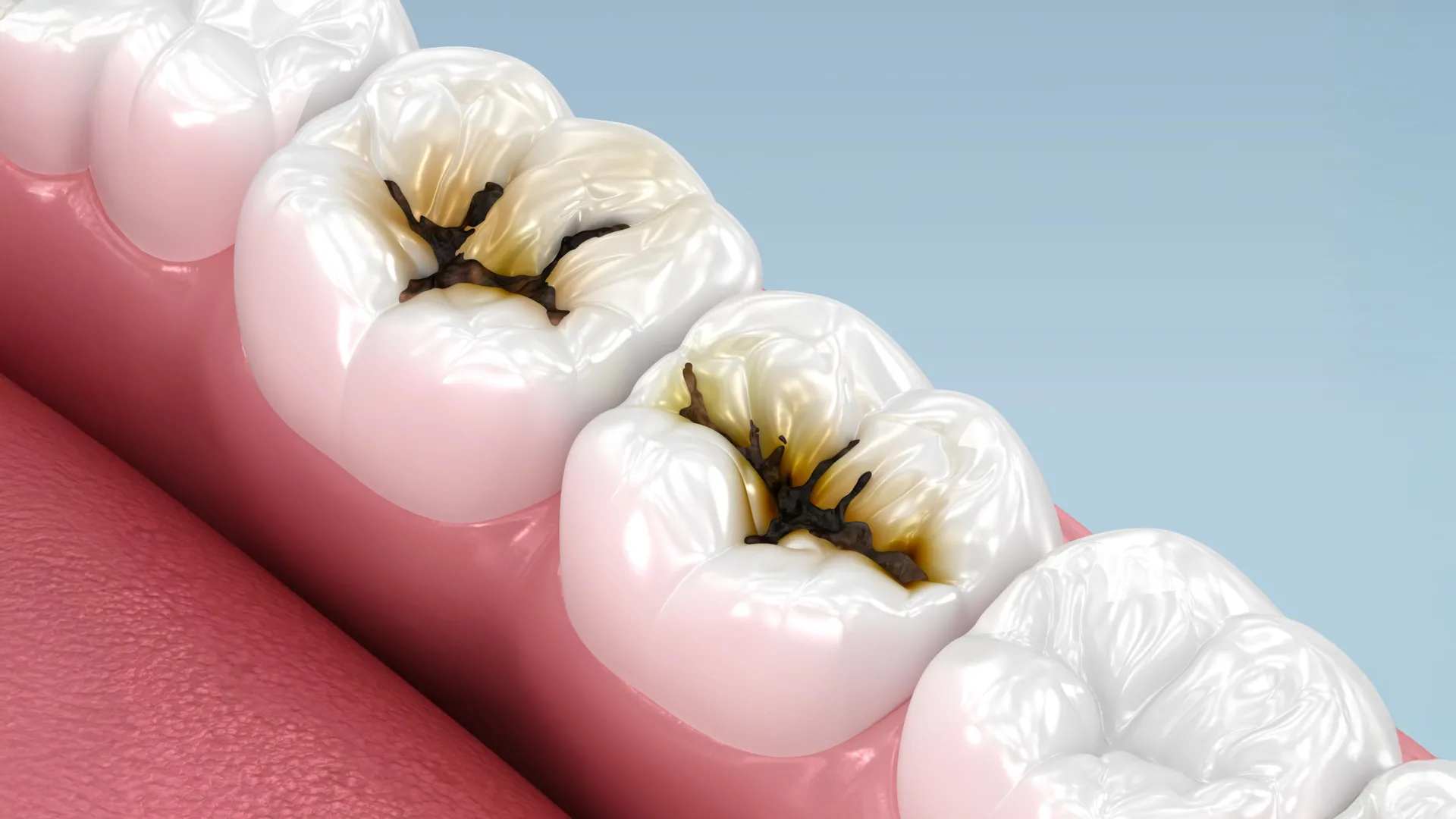
Tooth decay remains a widespread problem across all age groups. Earlier laboratory work had suggested arginine could alter biofilm makeup, but this study tested those effects in actual human mouths. The trial included 12 participants with active caries, who wore specially designed dentures that allowed researchers to collect intact biofilms from both sides of the jaw. Participants dipped the dentures into a sugar solution for 5 minutes, then rinsed with either distilled water or arginine for 30 minutes, three times daily over 4 days.
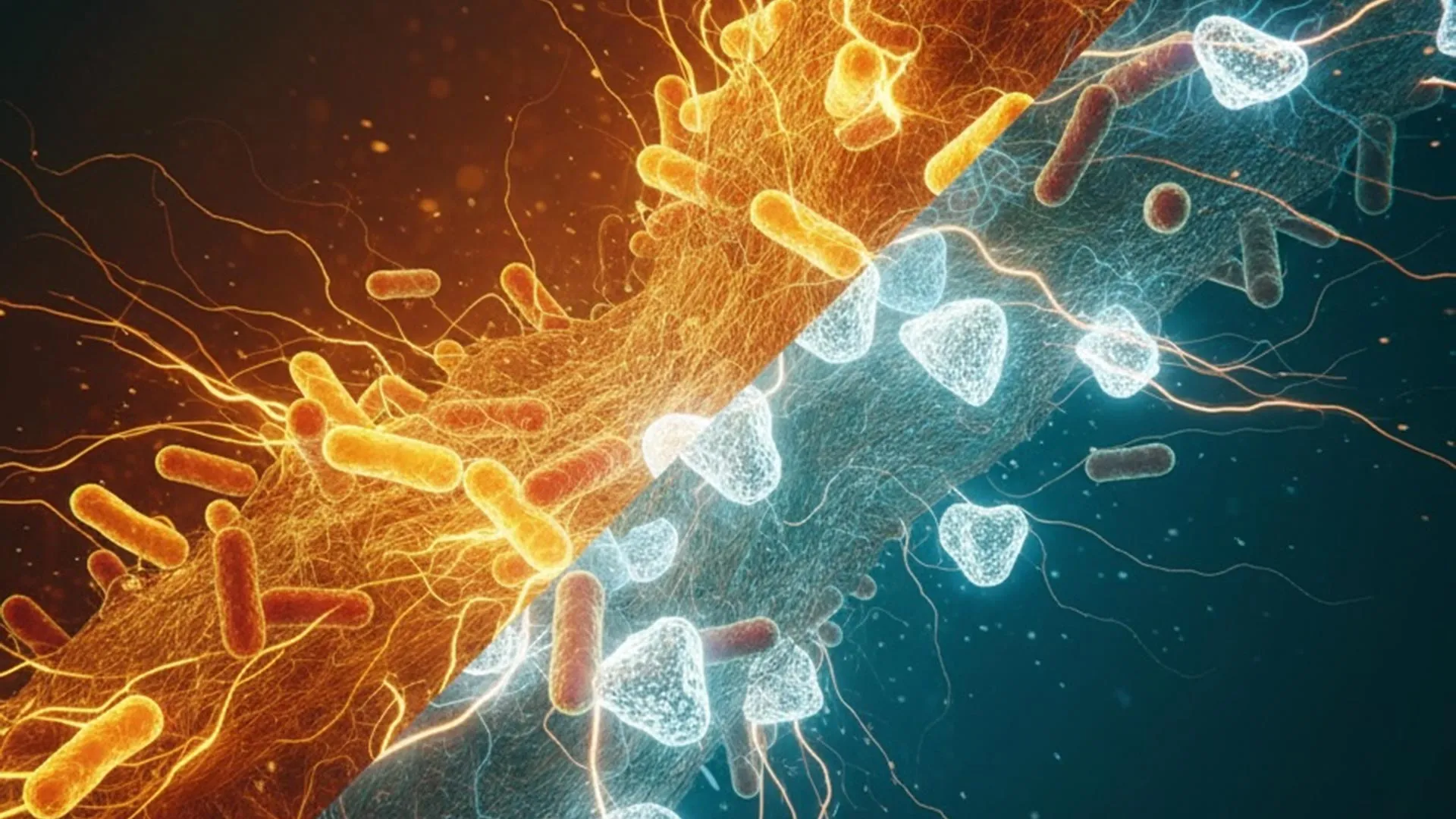
Biofilms treated with arginine showed higher pH levels at both 10 and 35 minutes after sugar exposure, meaning less acid buildup. Arginine also reduced fucose-based carbohydrates in the biofilm matrix and caused a structural redistribution of galactose-containing carbohydrates away from the tooth surface. Bacterial analysis using 16S rRNA gene sequencing showed a reduction in the mitis/oralis streptococcal group, which produces acid but generates little alkali, alongside a modest increase in streptococci better able to metabolize arginine. The researchers suggest arginine could be added to toothpaste or oral rinses, and note it is considered safe for use in children.