AMY1 Gene Copy Number Affects How Starch Alters Oral Microbiome
Patients with high AMY1 copy numbers may need post-starch brushing advice, not just post-sugar guidance.
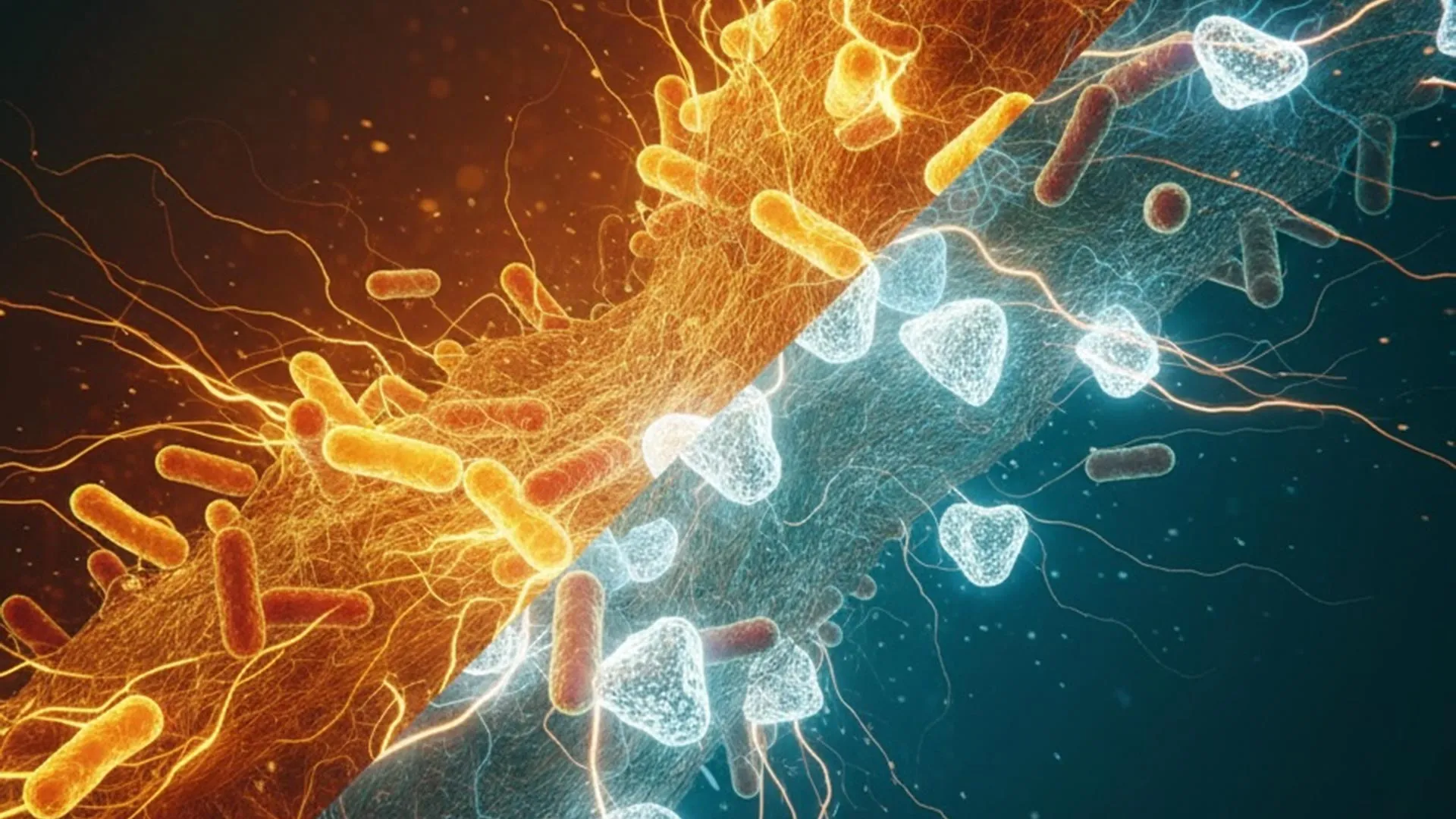
Cornell University researchers have published evidence that starchy carbohydrates may contribute to cavities depending on a person's number of copies of the AMY1 gene, according to a study in Microorganisms (February 2025). AMY1 codes for salivary amylase, the enzyme that breaks down starch in the mouth. Prior research had linked AMY1 copy number to cavities and periodontal disease, but the mechanism connecting starch consumption, amylase activity, and changes in the oral microbiome had not been clearly established. The new study, drawing on 31 saliva samples collected in Ithaca, N.Y., found that AMY1 copy number ranged from 2 to 20 among participants. In samples with a high copy number, starch breakdown produced more sugars in the mouth, which supported growth of bacteria such as Streptococcus. The researchers also found evidence that the oral microbiome has co-evolved alongside rising AMY1 copy numbers, which tend to be higher in populations with a long history of starch-based agriculture. For clinicians, the practical implication is straightforward: patients with a high AMY1 copy number may need the same hygiene advice after eating starchy foods as they currently receive after sugar consumption. The study was funded by the Schwartz Research Fund and the National Institutes of Health.